by e-Patient Dave | Mar 8, 2021
Time for change! The theme of our 2019 conference was #Time4Change. This post kicks off a major 2021 campaign for our Society: the Participatory Medicine Manifesto. At that event we took action: in a design-thinking exercise, attendees crowdsourced the ideas that have...

by Danny Sands, MD | Apr 9, 2020
Prologue from Dr. Sands: I trained in clinical informatics because of my belief that we needed to better empower healthcare professionals with information technology so they could take better care of patients, and spent many years creating and implementing these...
by Narinder Singh | Jul 16, 2019
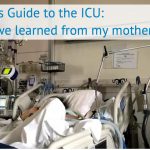
This is Part 1 of a four part series, introduced yesterday, based on my family’s experience with our mother’s unexpected and dramatic ICU stay and bilateral lung transplant. [Download the Complete Family’s Guide as a PDF] Even the air in the waiting...
by e-Patient Dave | Dec 26, 2018
Editor’s note: this guest post by SPM member Gail Phillips shares the odyssey that led her through numerous related disciplines, eventually discovering our society and our conference last October. Members can submit guest posts to our blog (guidelines). Join SPM...
by e-Patient Dave | Jul 26, 2018
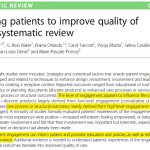
A new article in the open access BMC journal Implementation Science reviewed 48 articles about involving patients in projects that redesigned small and large parts of healthcare delivery. Conclusion: higher levels of engaging patients in the work led to higher level...

by Carla Berg | Feb 14, 2018
Editor’s Note: This is a first installment (we hope) in a series about an all-too-real-life medical drama experienced by a former SPM board member and longtime sci-tech journalist Carla Berg-Nelson (aka “Carla B.”). There is much to learn here about being an...

 Driving Transformation: Change Management Strategies for Integrating Participatory Medicine in HealthcareApril 6, 2024
 The Challenge for Medicare Part D Patients: Inability to Utilize Pharmaceutical Programs to Reduce Medication CostsMarch 29, 2024
 Shared Decision-making: Becoming a Better Advocate for your HealthcareMarch 28, 2024
 2024 SPM Update from Board Chair Mary HenningsJanuary 17, 2024
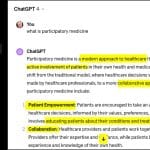 Hey ChatGPT, what’s Participatory Medicine?November 20, 2023
Recent Comments