by Danny van Leeuwen | Jul 22, 2017
Recently I connected a patient expert in insurance and provider billing with a patient at the tail end of chemo struggling with huge unexpected bills. I introduced a cancer survivor with web design skills to a patient advocate setting up a new blog. I linked a parent...
by e-Patient Dave | Aug 9, 2016
As regular readers know, for years we’ve been blogging here about OpenNotes, in which patients and their designated caregivers can read every word their clinicians write, so they can be more informed. The OpenNotes tagline, “Doctors and patients on the...
by e-Patient Dave | Jul 21, 2016
Voting ends Sunday July 31 Patient activists who attend conferences know that it’s been a long climb to get patient voices welcomed. The #PatientsIncluded movement has been around for years, making small dents, but Health 2.0 is one of the best: while they...
by e-Patient Dave | May 4, 2016
Guest post by SPM member Liz Salmi of CCCC, an organizational member and supporter of our Society for Participatory Medicine. Note also (at bottom) that this event provides a model for other organizations to follow: patient participation is enabled by a foundation...
by e-Patient Dave | Feb 23, 2016
Guest post by Mark Reifsteck [left], who joined our Society in 2014. Follow him on Twitter at @MarkWReifsteck. To become a member, individually or organizationally, see our Join Us page. It started innocently enough: I made an off-handed comment on the SPM member...

 Driving Transformation: Change Management Strategies for Integrating Participatory Medicine in HealthcareApril 6, 2024
 The Challenge for Medicare Part D Patients: Inability to Utilize Pharmaceutical Programs to Reduce Medication CostsMarch 29, 2024
 Shared Decision-making: Becoming a Better Advocate for your HealthcareMarch 28, 2024
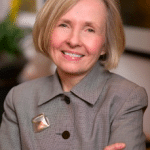 2024 SPM Update from Board Chair Mary HenningsJanuary 17, 2024
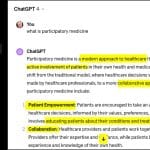 Hey ChatGPT, what’s Participatory Medicine?November 20, 2023
Recent Comments