by e-Patient Dave | Jul 31, 2016
A large part of the Society for Participatory Medicine’s work is culture change, and that requires pointing to the cultural roots of today’s situation, so that well-meaning people today can understand how we got here, and how absurd today will look in the...
by e-Patient Dave | May 4, 2014
Thanks to Twitter friend @CourageSings for this tip. I retweeted it, but I know a lot of readers of this blog will answer “yes” and might not see the tweet: Ever hit a paywall trying to access a scientific paper? For a story, would love examples from...
by David Harlow | May 20, 2013
Going public recently with her story of a prophylactic double mastectomy after testing positive for BRCA1 (a gene linked to breast cancer) via an op-ed piece in the New York Times, Angelina Jolie is clearly trying to get the message out that radical choices must...
by Susannah Fox | Apr 2, 2013
Four years ago this week, e-Patient Dave published, “Imagine someone had been managing your data, and then you looked,” and forever changed the national conversation about health data. I have described that post as an earthquake — a surprise to those...
by e-Patient Dave | Sep 29, 2011
Yesterday the New York Times reported that some health insurers have applied to regulatory agencies to push premiums sharply higher – usually double-digit increases, while citizens are suffering. This falls on top of the 11 year history reported last year by...

 Driving Transformation: Change Management Strategies for Integrating Participatory Medicine in HealthcareApril 6, 2024
 The Challenge for Medicare Part D Patients: Inability to Utilize Pharmaceutical Programs to Reduce Medication CostsMarch 29, 2024
 Shared Decision-making: Becoming a Better Advocate for your HealthcareMarch 28, 2024
 2024 SPM Update from Board Chair Mary HenningsJanuary 17, 2024
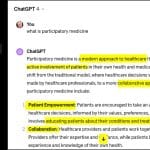 Hey ChatGPT, what’s Participatory Medicine?November 20, 2023
Recent Comments