
by Casey Quinlan | Oct 20, 2018
This will be the third, and last, in my short series on attending the Cochrane Colloquium in Edinburgh in September of this year. In the first post, I talked about what that conference was like; in the second, I shared an overview of Cochrane as a global movement to...

by Casey Quinlan | Oct 13, 2018
If you’ve been paying attention, you know that yours truly got the chance to attend the annual Cochrane Colloquium in Edinburgh in September this year, thanks to a travel stipend from SPM, a #PatientsIncluded bursary from Cochrane UK, the hosts of the 2018...
by John Novack | Sep 10, 2018
First in a series of interviews with outstanding speakers we’ve lined up for the Society for Participatory Medicine’s second annual conference on Oct. 17 in Boston. Register here. Doug Lindsay calls himself as Transformational Thought Leader, an apt...
by Casey Quinlan | Aug 27, 2018
From SPM Lifetime Member Josh Rubin: Fellow S4PMers, I am elated to report that on Monday, August 20, 2018, The Health Care Blog (THCB) re-posted my S4PM guest blog post titled, “Biomedical Knowledge Must Be Mobilized to Save Lives, Not Privatized in the...

by Casey Quinlan | Aug 5, 2018
Guest post by SPM Lifetime Member Joshua C. Rubin, JD, MBA, MPH, MPP Last week, Facebook’s unprecedented stock price collapse triggered by concerns over personal data privacy, as well as same-day commentary regarding GlaxoSmithKline’s investment in 23andMe to gain...

 Driving Transformation: Change Management Strategies for Integrating Participatory Medicine in HealthcareApril 6, 2024
 The Challenge for Medicare Part D Patients: Inability to Utilize Pharmaceutical Programs to Reduce Medication CostsMarch 29, 2024
 Shared Decision-making: Becoming a Better Advocate for your HealthcareMarch 28, 2024
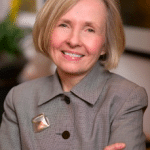 2024 SPM Update from Board Chair Mary HenningsJanuary 17, 2024
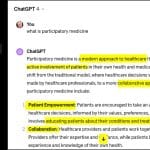 Hey ChatGPT, what’s Participatory Medicine?November 20, 2023
Recent Comments